Choosing an interior design style helps you make consistent decisions. You do not need to follow a style strictly, but knowing the main ones makes shopping and painting far easier.
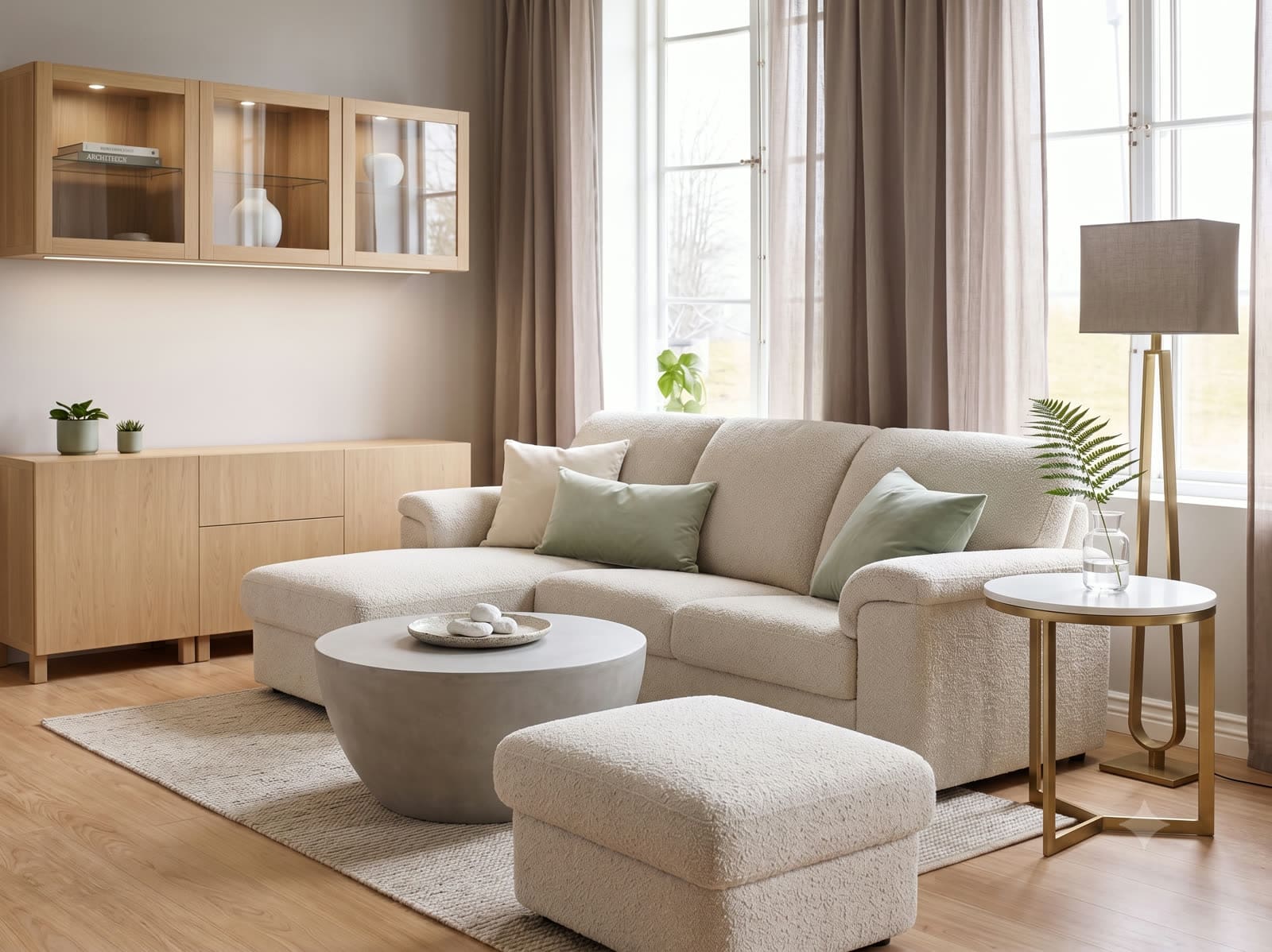
Scandinavian (Nordic)
Light, functional and cosy. Think white or pale walls, pale wood, simple furniture, soft textiles and lots of daylight. Ideal for smaller or darker rooms. See our [Scandinavian living room ideas](/blog/scandinavian-living-room-ideas).
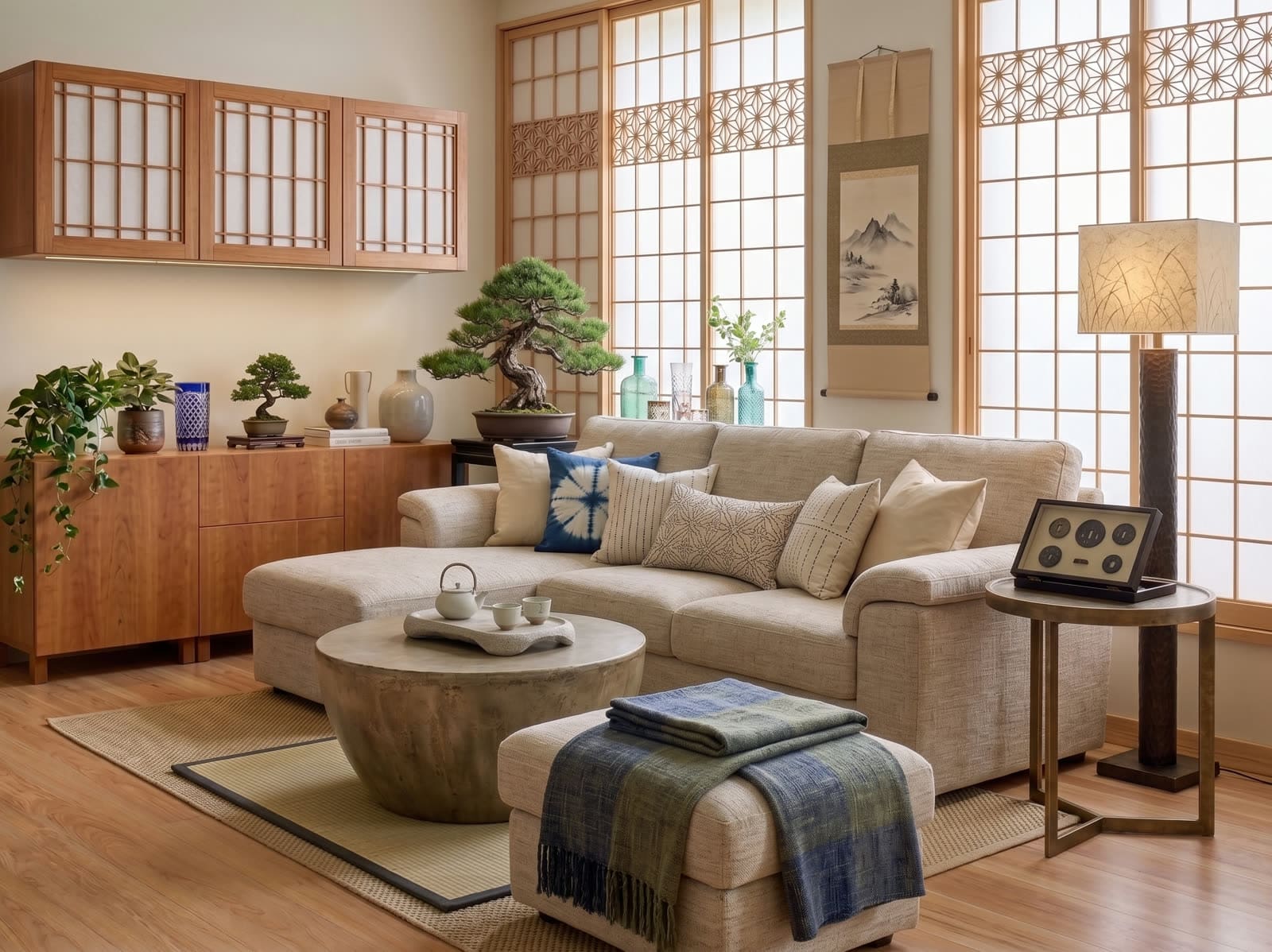
Japandi
A blend of Japanese minimalism and Scandinavian warmth. Muted earthy colours, natural materials, low furniture and very little clutter. It suits bedrooms particularly well: [Japandi bedroom ideas](/blog/japandi-bedroom-ideas).
Mid-century modern
Clean lines, tapered legs, warm wood such as teak or walnut, and pops of mustard, teal or orange. Works well with vintage or vintage-inspired furniture.
Art deco
Bold geometry, rich colours such as emerald and navy, brass and mirrored details, and a sense of glamour. Best used with confidence in a few well-chosen pieces.
Modern and minimal
Flat surfaces, a restrained palette, hidden storage and very few accessories. It can feel cold unless you add texture through textiles and wood.
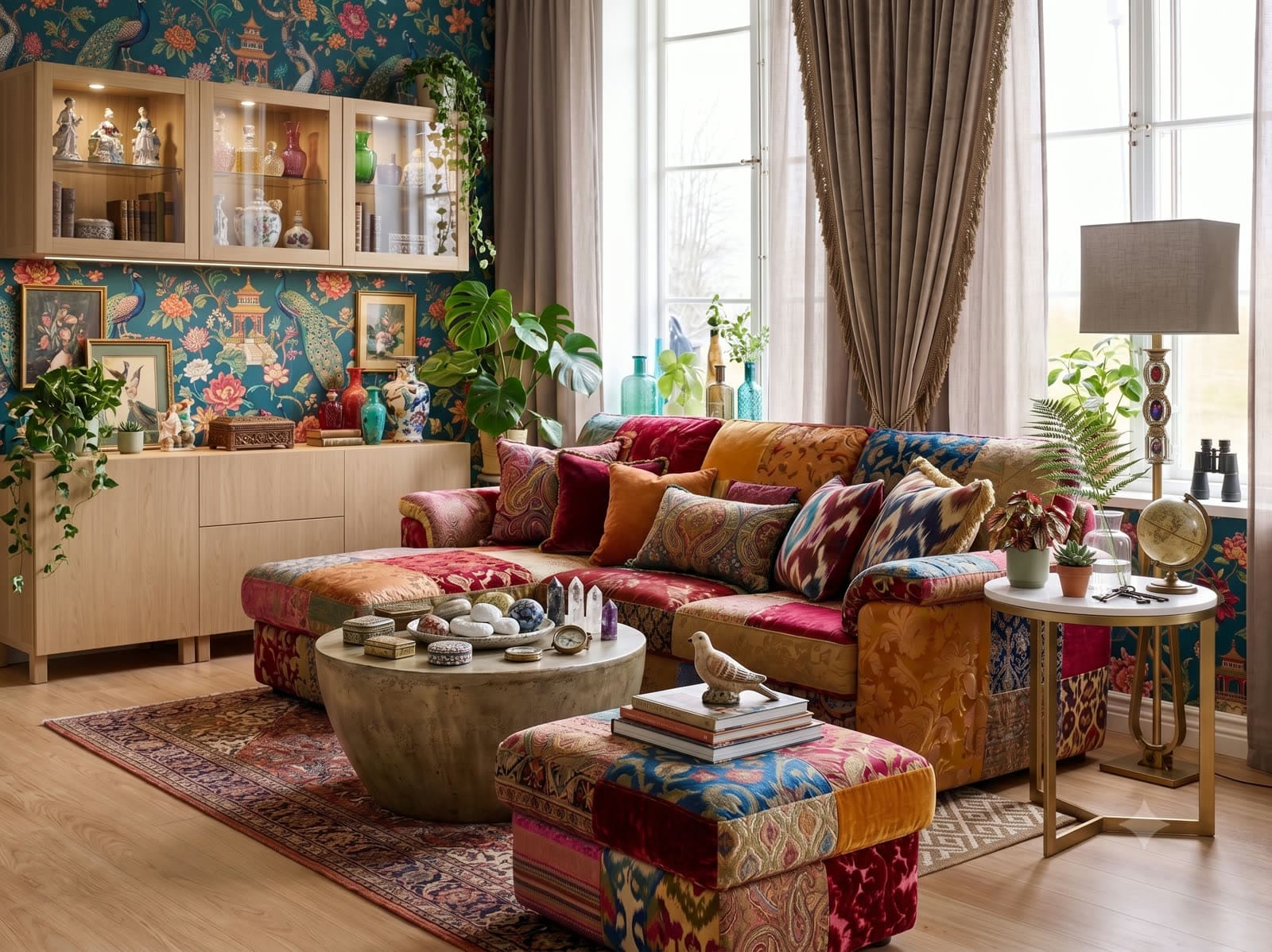
Maximalism
Layered pattern, saturated colour and collected objects. It looks best when there is a recurring colour or theme that ties everything together.
Industrial
Exposed brick, metal, concrete, and dark wood. Warm it up with lighting and textiles.
Traditional and classic
Symmetry, ornate details and rich fabrics. Often paired with a neutral base and updated with modern lighting.
How to choose
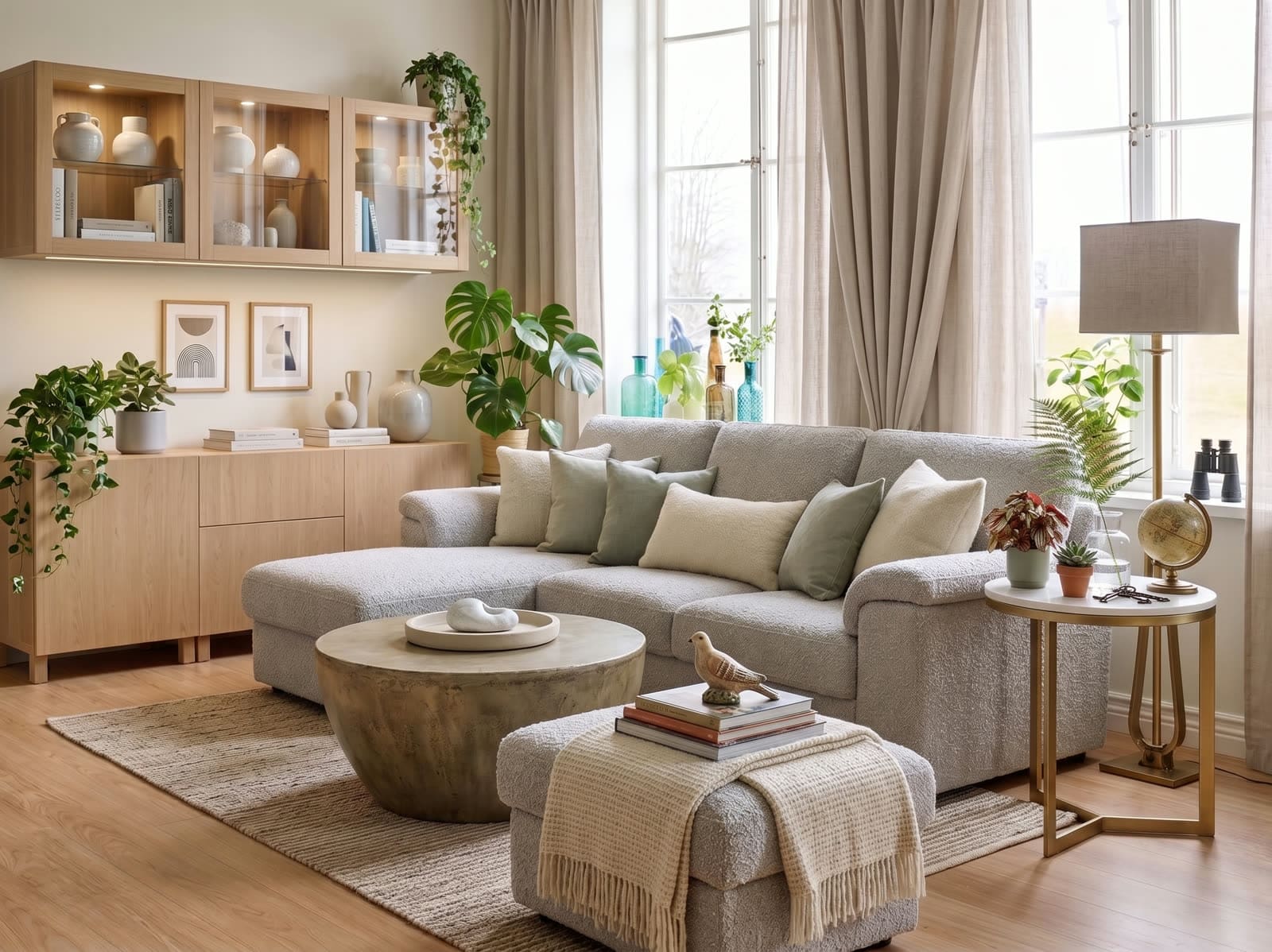
Look at the photos you save, note the colours and materials that repeat, and check what suits your light and room size. Then try it: upload a photo of your room to ThinkDecor and compare two or three styles side by side using [AI room redesign](/ai-room-redesign). It is the quickest way to see what suits your actual space. For how it works, read [how AI interior design works](/blog/how-does-ai-interior-design-work).